

Food Price Monitoring Fundamentals: What You Need to Track
Start tracking food prices the right way. We show you which staples matter most, what data to collect, and simple systems that work without spreadsheets.
Read Full GuideLearn how to monitor staple food prices, interpret FAMA market data, and understand seasonal patterns that affect your grocery budget.
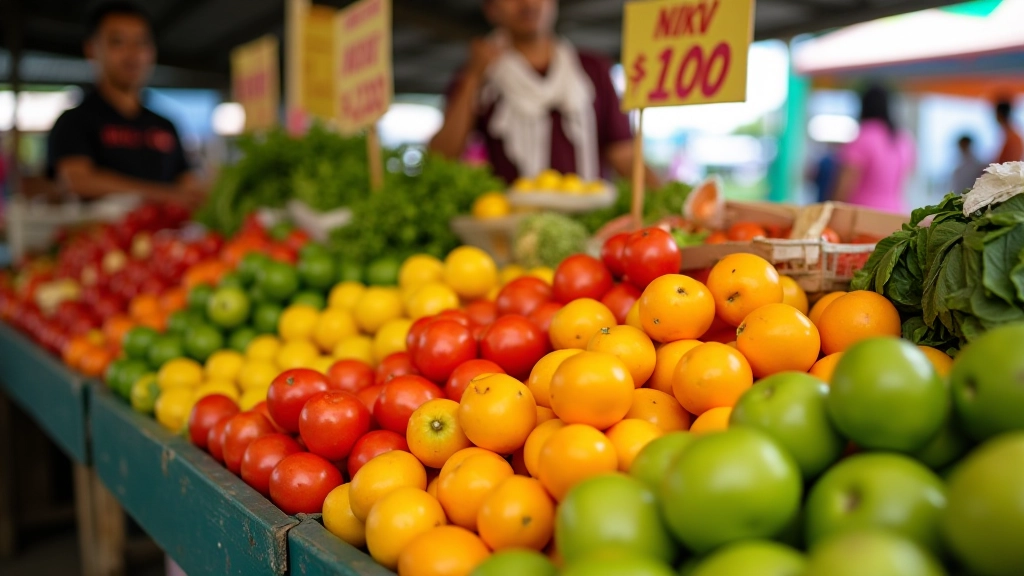
Food prices affect every household budget. We’re here to help you understand what’s happening in Malaysia’s agricultural markets.
Food price fluctuations hit hard. One month rice costs one price, next month it’s different. That’s not random — it’s tied to harvest seasons, supply chains, and government policies. Once you understand the patterns, you’ll make smarter shopping decisions.
We’ve put together practical guides that explain the fundamentals. You don’t need to be an economist to track prices. Simple data collection and knowing where to look in FAMA reports is enough. We’ll walk you through both.

Essential knowledge about food price monitoring and agricultural supply chains in Malaysia.
Start with the basics. Which staple foods matter most? What data should you collect? We show you simple systems that actually work without spreadsheet headaches.
Read GuideFAMA publishes wholesale and retail prices weekly. It looks intimidating at first. We break down exactly where to find numbers and what they actually mean for your budget.
Read GuideRice prices drop in October. Vegetables shift during harvest season. These patterns repeat annually. Learn when prices typically fall so you’re not caught off-guard.
Read GuideThe government implements price control policies and subsidy programs. Understanding how these work helps explain sudden price changes you see at the market.
Learn MoreLogistics costs, transportation disruptions, and storage affect prices. We explain how agricultural supply chain decisions impact what you pay at checkout.
Learn MoreOnce you understand price trends, you can time your purchases better. We share practical strategies for buying staples when prices dip and stretching your budget further.
Learn MoreStart with these practical guides to understand food price monitoring and market data interpretation.
Start tracking food prices the right way. We show you which staples matter most, what data to collect, and simple systems that work without spreadsheets.
Read Full Guide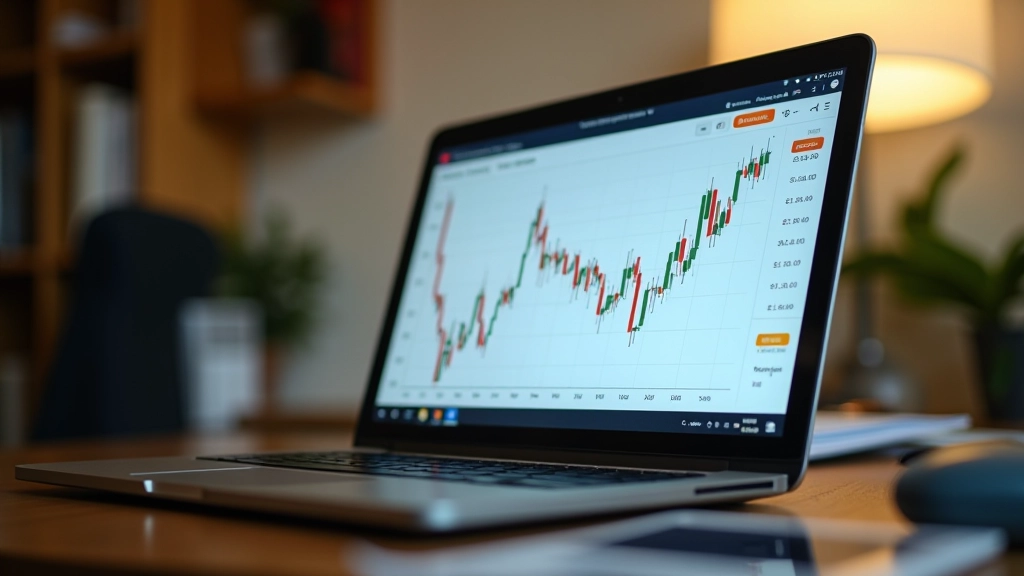
FAMA reports aren’t intimidating once you know where to look. This guide explains wholesale prices, retail variations, and what those numbers actually mean for your shopping.
Read Full Guide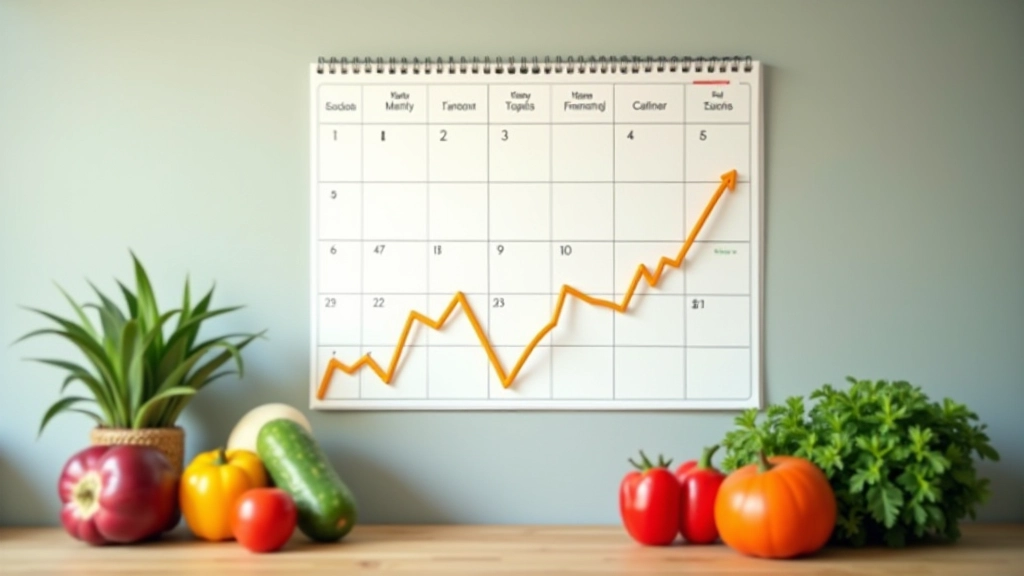
Rice prices shift in October. Vegetables dip during harvest season. Learn the annual patterns so you’re not surprised by price swings at the market.
Read Full GuideQuick answers about food price monitoring and FAMA market data.
Prices respond to supply and demand. When harvests are good, supply increases and prices drop. When supply is tight, prices rise. Weather, storage costs, transportation, and government policies all affect the balance.
FAMA (Federal Agricultural Marketing Authority) publishes weekly market information reports on their website. You’ll find wholesale prices at different markets and retail price comparisons across regions. It’s free and updated every week.
You can’t predict exact timing, but seasonal patterns are reliable. Certain foods consistently drop in price during harvest season. By tracking data over months, you’ll spot the patterns and can time purchases accordingly.
The government controls prices for certain essential items through price ceilings, subsidies, and strategic imports. These policies are meant to keep staple foods affordable. Understanding when controls are in effect helps explain price changes you see.
No. A notebook and pen work fine. You’re just recording what you pay for items each week. A simple spreadsheet is helpful if you want to calculate averages, but it’s not required. The key is consistency.
Focus on items you buy regularly. For most households, that’s rice, cooking oil, chicken, eggs, and seasonal vegetables. These form the bulk of food spending. You don’t need to track everything — just the items that matter to your budget.
A straightforward approach that works without complexity.
Choose 5-8 items you buy regularly. Rice, oil, eggs, chicken, and two or three vegetables. These are the items that make up your typical shopping list.
Each week, write down what you pay for each item. Include the date, location if you shop at different places, and the price. That’s it. No complex formulas needed.
Visit FAMA’s weekly market information reports. Find the wholesale prices in your region. Compare those to what you’re paying retail. This shows you the supply situation.
After 8-12 weeks of tracking, patterns emerge. You’ll see which months prices drop, when they spike, and how seasonal changes affect what you pay.
Understanding price trends gives you real control over your grocery budget.
When you know prices are about to drop, you can delay purchases. When they’re at seasonal lows, you buy in bulk. That’s real savings, not just thinking about saving.
You’re no longer guessing about prices. Data shows what’s actually happening. You can explain price changes to yourself instead of feeling like markets are unfair.
Prices spike when supply is tight. By watching prices, you’ll notice supply problems before they become widespread. That lets you adjust your shopping ahead of time.
Seasonal patterns repeat yearly. Once you see the cycle, you can predict when prices will drop for specific items. That’s genuine forecasting power for your household.
Data about Malaysia’s food markets and price tracking resources.
Malaysia’s agricultural supply chain involves thousands of farmers, wholesalers, and retailers. FAMA tracks prices across 14 major market regions, updating data weekly. This transparency means price information is available to anyone who looks. Understanding how to read these reports is the first step to making smarter food purchasing decisions.
Real feedback from people monitoring food prices in Malaysia.
“I wasn’t tracking prices before — just paid whatever the market asked. After a few weeks of recording what I spent, I noticed patterns. Now I know when rice gets cheaper and plan my shopping around that. It’s saved me real money.”
“FAMA reports seemed complicated until someone showed me where to look. Now it takes five minutes to check wholesale prices and compare to what I’m paying. It’s eye-opening to see the markup at retail.”
“Started tracking in January, didn’t think much would happen. By June, I could see seasonal changes happening exactly when the guides predicted. Made me trust the patterns. Bought cooking oil in bulk when it was low — still using it months later.”
Start with our practical guides. Learn how to track prices, read FAMA reports, and understand seasonal patterns. All the fundamentals you need, explained clearly.
Get in Touch